
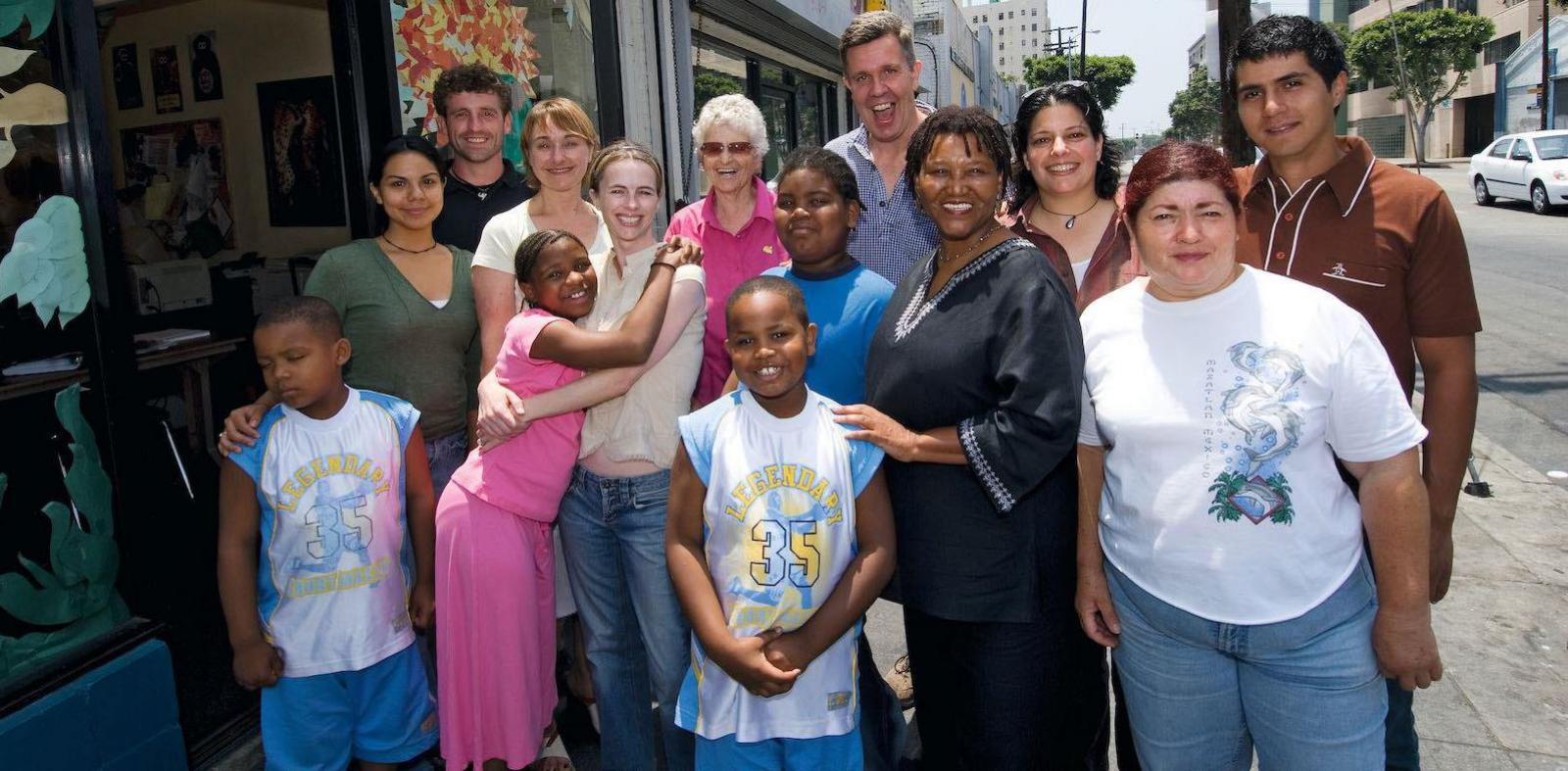


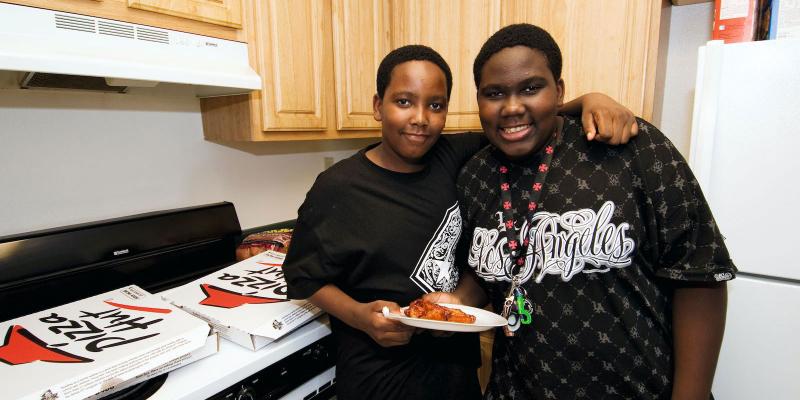
Hundreds of children struggle to survive in the homeless neighbourhood of Los Angeles, surrounded by drugs, violence and poverty. Ryan Wilson, 13, is one of them. Agnes Stevens and her organisation, School on Wheels, help Ryan and other kids experiencing homelessness to get through school and feel that they’re worth something. There are one million homeless children in the USA.
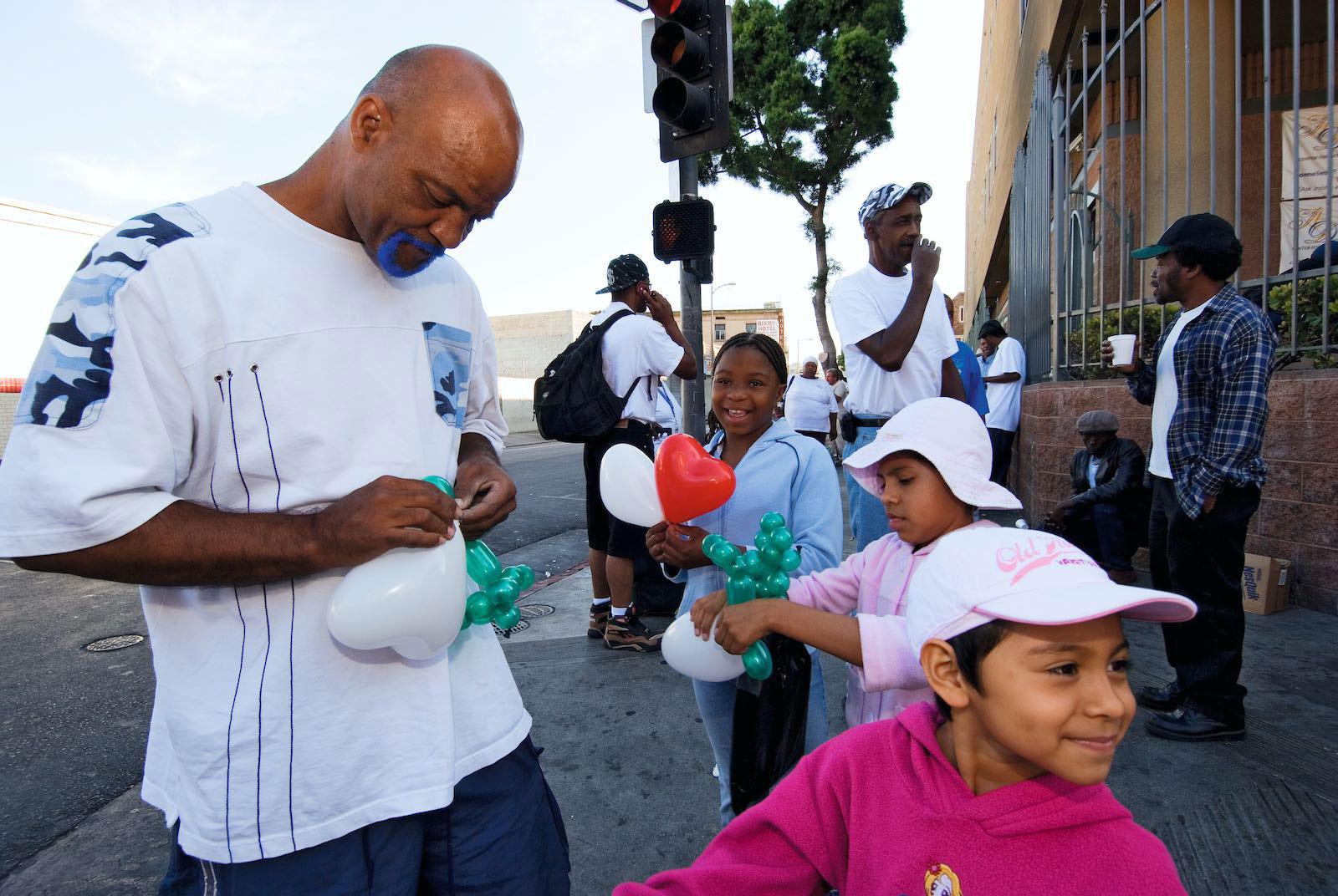
Ryan gets off the school bus and starts walking toward the worst part of town. Drugs are sold openly on street corners here, and people crowd the sidewalk. Ryan and his family have moved around a lot and lived at shelters and in run-down hotels. But they’ve never yet had to sleep on the street, as tens of thousands do here, in tents or on cardboard. After a couple of years, Ryan recognizes many of the people living on the street, but he rarely says hello. Some of them are mentally ill or on drugs and could turn angry or violent if they feel bothered. That’s why Ryan rarely looks people in the eye; it’s safer that way.
During his short walk Ryan must step over people sleeping on the street, in sleeping bags, or wrapped in old blankets. Once, he has to jump out of the way when an angry old man charges past, pushing a shopping cart overflowing with old clothes and odds and ends. Ryan is used to the dirt, the stench, and the chaos. He isn’t scared anymore but sometimes he sees things he doesn’t want to see. Like the other day, when an old woman squatted to pee on the street corner. Or when a couple was arguing and started fighting on the street, and all of a sudden, the woman tore all her clothes off and ran around naked. “Nobody should have to live like this,” Ryan thinks to himself.
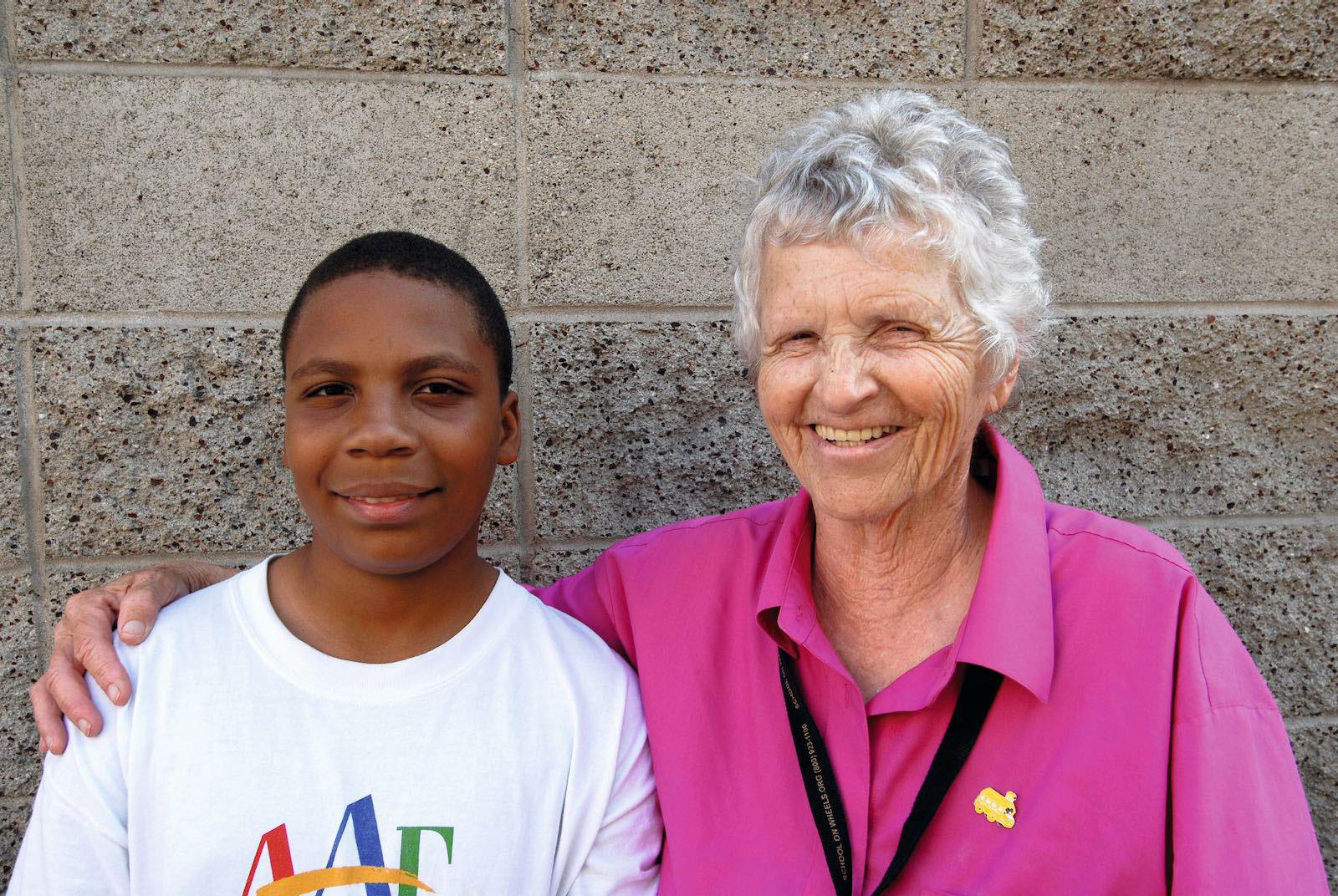
When he sees the familiar yellow sign brightening up the grey concrete, he feels happy. The round black letters read ‘School on Wheels’. The windows are painted bright colors and when Ryan steps inside, he meets Agnes, the founder of the organization. Ryan knows she’s more than 70 years old, but Agnes talks and jokes around with the kids as though she is one of them.
Retirement, no thanks
Agnes had just retired from her job as a teacher when she read a book that changed her life. The book was about families experiencing homelessness in the US. Agnes was shocked to learn that hundreds of thousands of children were homeless and that many of them didn’t go to school. “Retirement will have to wait,” she said to herself. “I’m going to help homeless kids with their schoolwork.”Agnes started to help at shelters and schools and met two brothers, aged 9 and 11, who wanted her to teach them to read. Agnes prepared all weekend, but when she came back on Monday, the boys were gone. That made Agnes understand even more about what life is like for children experiencing homelessness. They never know in advance where they’re going to sleep the next night. Agnes soon found new children who needed her help. But she never forgot the boys who disappeared.
For the first few years, Agnes worked alone. She packed her car with schoolbooks, pens, and chalk and drove around to kids in parks and shelters all over Los Angeles. Soon she realized that she needed help and started School on Wheels. The organization has grown enormously since then. From being just one tutor – Agnes herself – she now has the support of several hundred volunteers who help children with school work.
Good listener
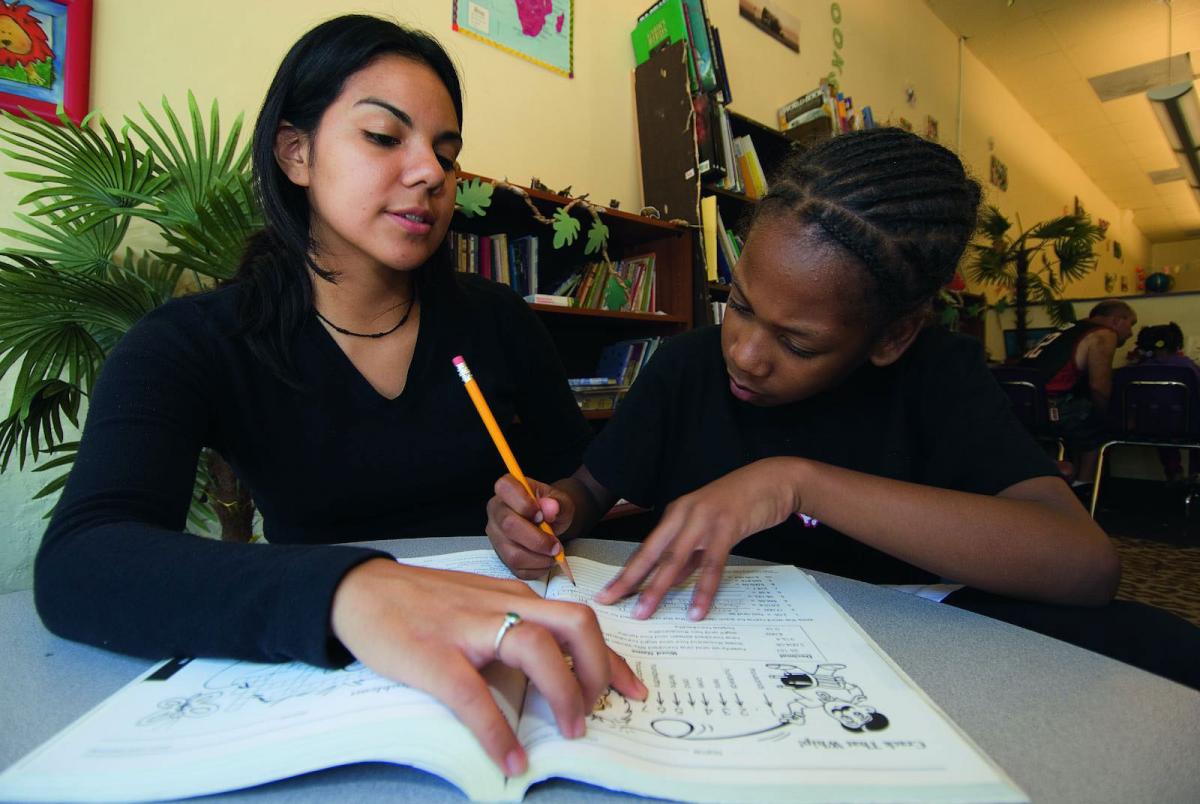
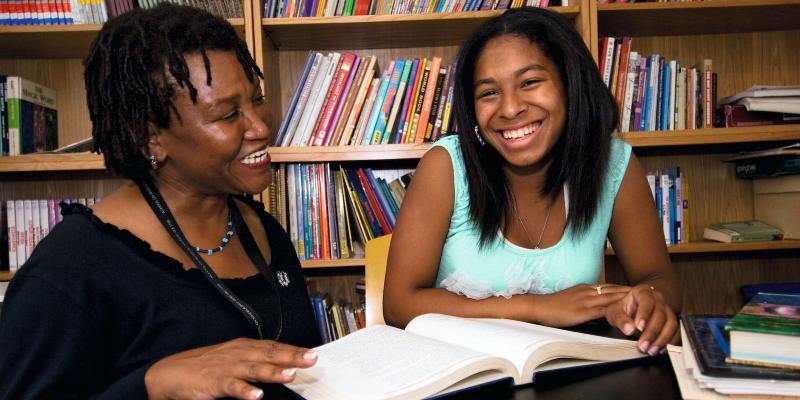
Agnes and School on Wheels helped Ryan change schools, and every week he meets his tutor too. “She helps me with my homework and challenges me to do better and never give up,” says Ryan, who remembers the first time he came to School on Wheels. “As soon as I stepped through the door, I knew that this would be my learning home. I can focus here. I told Agnes I didn’t have a backpack, and she gave me one right away! She’s a really good listener. When I have problems, she helps me see the solution, and she makes me feel good about myself.”Agnes says that school is a second home for many children, where they have friends and adults they can talk to and trust. So, a homeless child doesn’t just lose one home, but two! Even if they still go to school, they don’t feel comfortable there anymore. Like Ryan, who never tells anyone at school that he is homeless. “The kids might not be able to afford backpacks or school supplies, or they might lose their schoolbooks because they’re constantly moving around,” says Agnes. “Then they get into trouble but don’t dare tell their teachers the truth. They are ashamed and feel different and excluded. In the end, many of them quit school.”
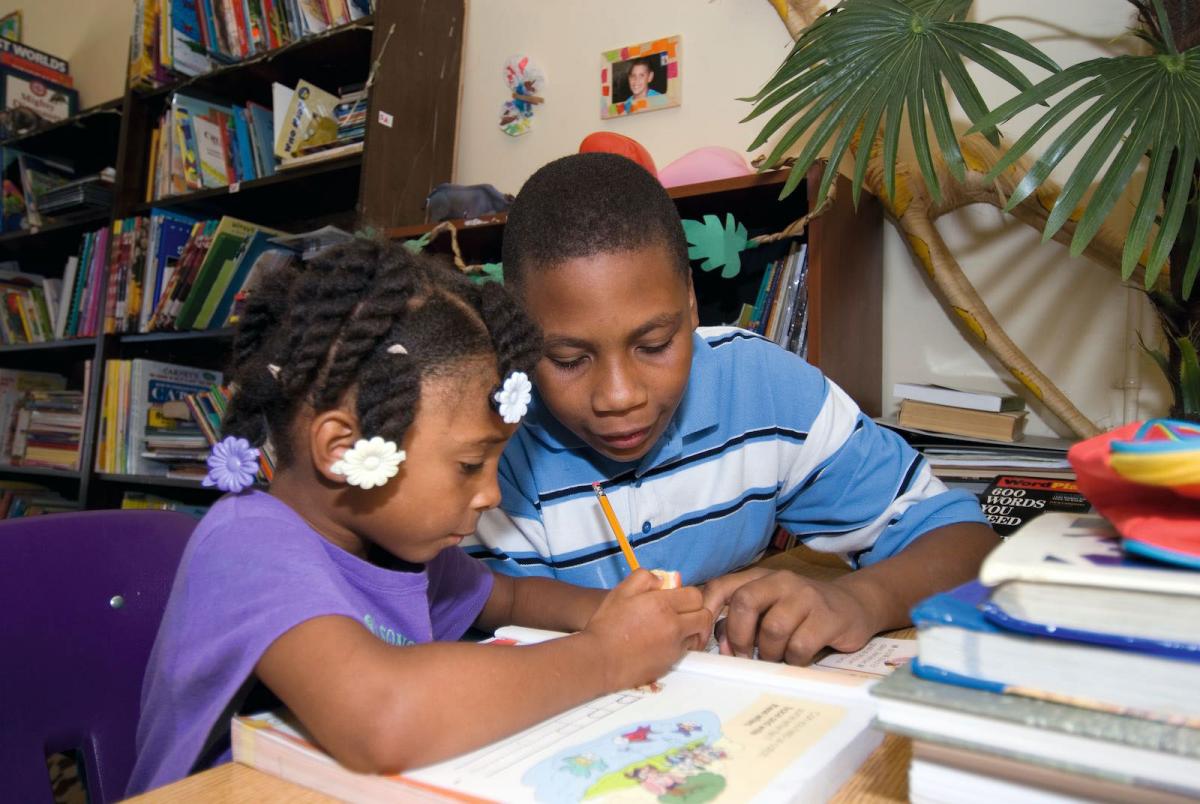
Ryan sits down at one of the computers to find information for a school project about airplanes. His ultimate dream is to be a pilot. “I love the internet,” he says. “It’s like the world’s biggest book.” Ryan catches sight of a little girl struggling through a book. He leaves the computer and helps her spell out the words. “Without School on Wheels, I would have had a harder time getting through school,” says Ryan. “So, I feel good when I can help someone else.”
High standards for tutors
Agnes calls her organization School on Wheels because her tutors often spend a lot of time on the road. They drive to where the kids are, to schools, libraries, shelters, motels, and School on Wheels’ learning rooms. “We have to be the kids’ security,” says Agnes. “They have been let down too many times, and they must know they’re not alone. That there are people who care about them and don’t forget about them.” There are currently around 400 tutors, but Agnes wants to double that number. Even so, it is quite difficult to become a School on Wheels volunteer. All potential tutors are checked out carefully. “They must fill in an application form, hand in fingerprints and a record of convictions, and come to an interview. We have to make sure that each tutor can do a good job and that the kids are safe with them.”What do Agnes and School on Wheels do?
• Help thousands of children with their studies. Hundreds of tutors work a total of over 30,000 hours every year for free.• Create special learning rooms at the shelters with computers, books, and materials for writing and drawing.
• Provide backpacks and school supplies to 5000 children every year.
• Provide school uniforms when needed.
• Have a toll-free telephone number that children can use to stay in touch and ask for help.
• Help children and their parents when they have to change schools.
• Help children and their parents trace lost records.
• Advice parents on their children’s education.
• Work in five regions in Southern California, including Los Angeles, Santa Barbara and Ventura. School on Wheels also exists in two other states, Indiana and Massachusetts.
Since this story was written in 2008, Agnes Stevens has sadly passed away. Her organization School on Wheels, however, continues to thrive.
Related stories



Långgatan 13, 647 30, Mariefred, Sweden
Phone: +46-159-129 00 • info@worldschildrensprize.org
© 2020 World’s Children’s Prize Foundation. All rights reserved. WORLD'S CHILDREN'S PRIZE®, the Foundation's logo, WORLD'S CHILDREN'S PRIZE FOR THE RIGHTS OF THE CHILD®, WORLD'S CHILDREN'S PARLIAMENT®, WORLD'S CHILDREN'S OMBUDSMAN®, WORLD'S CHILDREN'S PRESS CONFERENCE® and YOU ME EQUAL RIGHTS are service marks of the Foundation.